
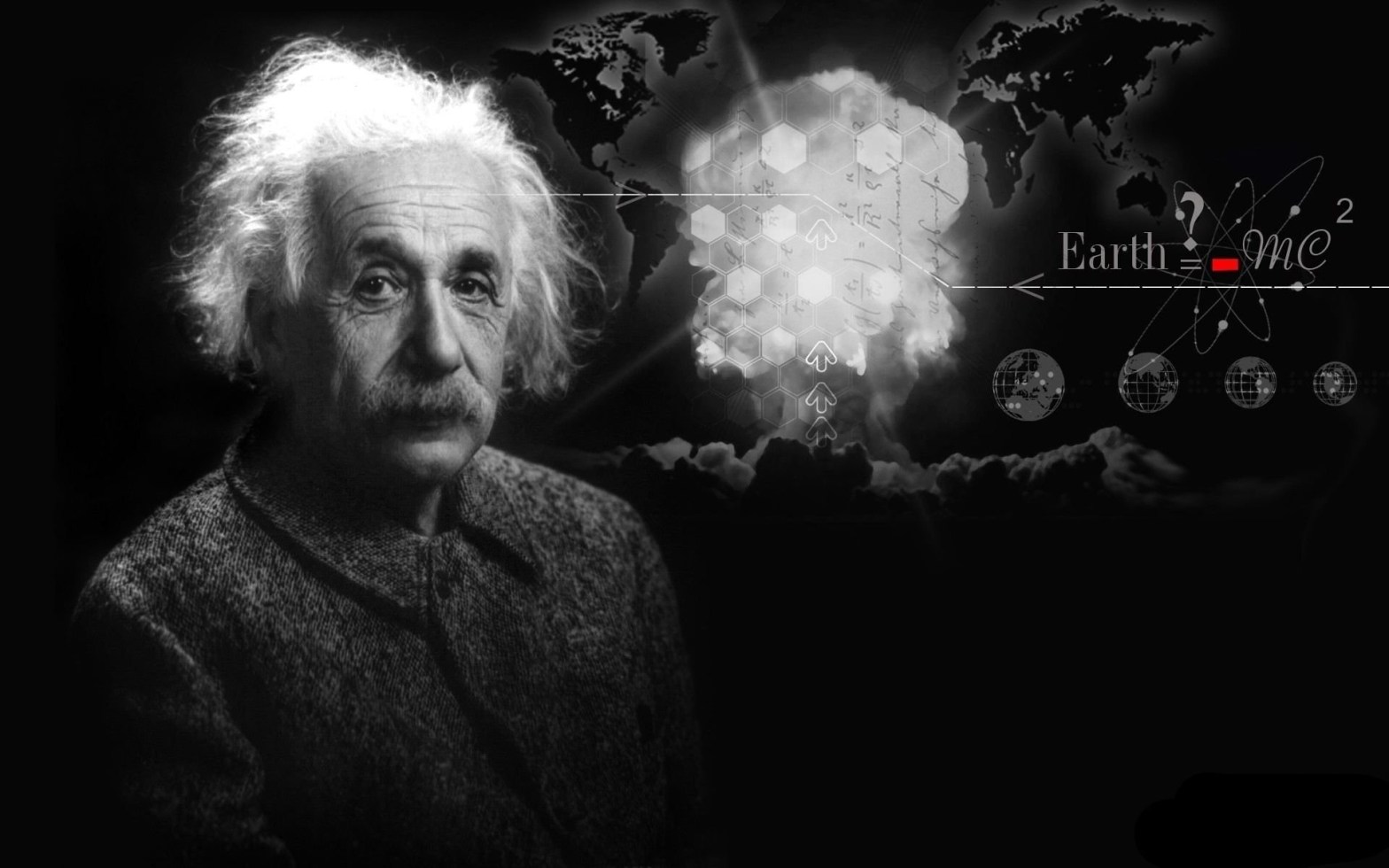
Einstein would say no, though many people were taught otherwise.
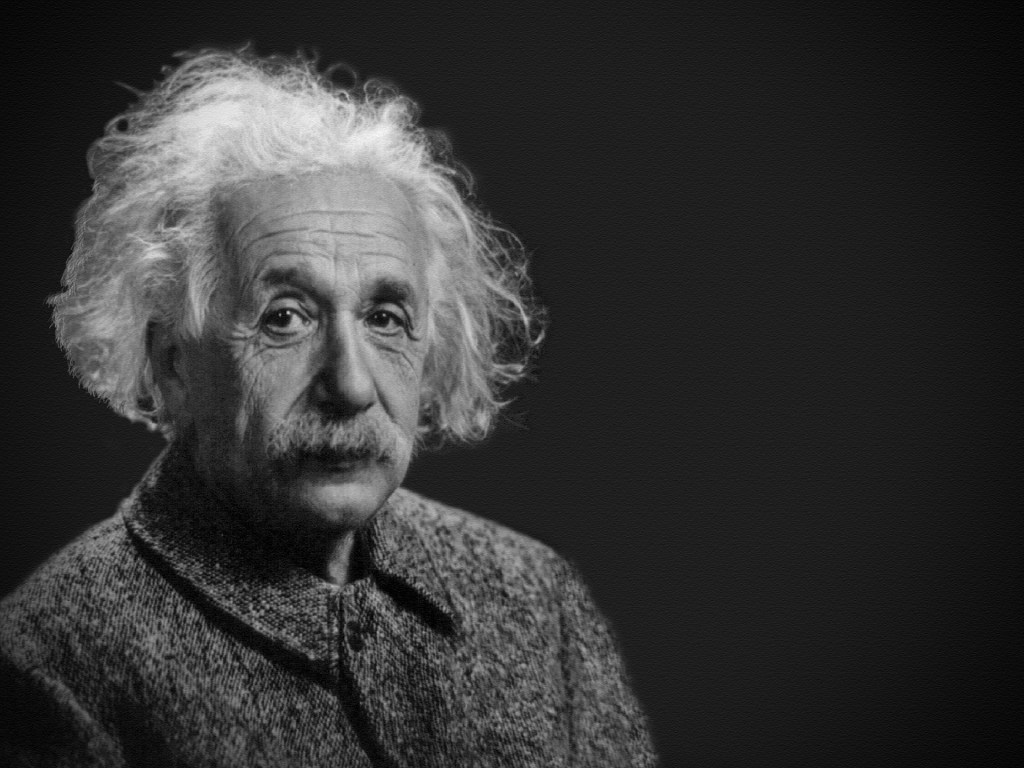
What is gravity? What do you think it is? I would say that gravitational fields do not exist and neither does gravity. Okay, I know I sound crazy, but let me explain. I can prove it with Albert Einstein’s general theory of relativity, which has passed practically every single test put to it over the past hundred years since Einstein proposed it.
If you didn’t take a physics class in high school or college, chances are you were taught that gravitational fields exist. However, that’s not the case. And even if you did take a physics class in high school or college, you still might have been taught wrong. Gravitational fields, in fact, do not exist. Einstein proved all of this in his theory, which he published in 1915. However, not many people believed him at the time. So Einstein proposed three tests for his theory to prove it. It passed all three. There have been many more tests on it since then and it has passed all of them.
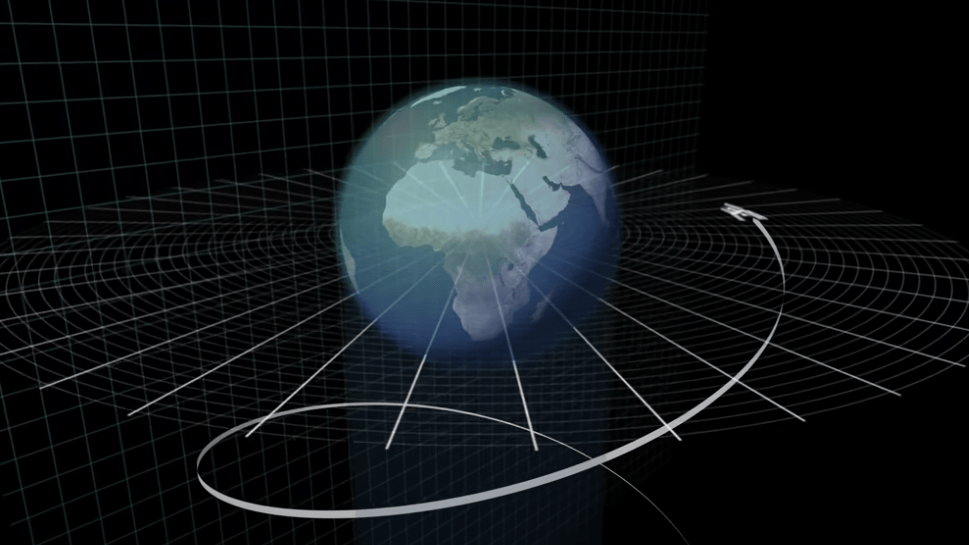
Here, imagine an astronaut in a rocket ship, coasting along at a constant velocity, or constant speed. They would have no weight and have no acceleration and all the laws of physics apply in their reference frame (the way you view the world). Therefore, they would be an inertial observer. Now, what if as they were coasting along at constant velocity, they came upon a nearby planet? Outside the rocket ship, you would notice that the rocket’s path curves toward the planet and the rocket slowly goes faster and faster, though the astronaut in the rocket ship would still be an inertial observer. They would feel no weight and no acceleration. Even an accelerometer wouldn’t register anything. They have continued on their inertial path through spacetime (space and time), therefore, their frame of reference is inertial until the moment they crash into the planet. The reason the rocket’s path was curved was because of curved spacetime. The astronaut on the rocket ship felt like they were moving at a constant velocity in a straight line and they were, but around large masses like planets and stars, spacetime is curved.
Now imagine an astronaut in a rocket ship, away from any large masses but now, but now, the rocket is accelerating at 9.8 meters per second squared. To an outside observer, the astronaut and all objects around them would remain stationary while the floor accelerates into them. However, inside the rocket, it would appear as if the astronaut and all objects around them are accelerating to the floor at a rate of 9.8 meters per second squared. The astronaut would feel a force pushing up on them, the same force pushing up on you as you read this article (assuming that you are at rest on the surface of the earth). You are accelerating!
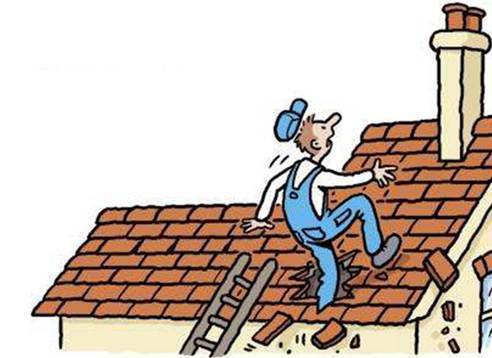
Einstein said that the happiest thought of his life was imagining a man falling off the roof of a house. Einstein was not a psychopath. The real reason why this thought made Einstein so happy was that, as the man was falling, he would realize that he couldn’t feel his weight. Einstein says that he is an inertial observer. Okay, you might not believe me, but Einstein’s equivalence principle tells us the one thing to focus on: the experience of the observer. The man falling off the roof feels no weight and feels no acceleration, therefore, he is an inertial observer, even though he is right next to earth. Now, to measure your acceleration, you need someone in an inertial frame of reference just like the man who fell off the roof. To him, you, the surface of the earth, the buildings around him, and pretty much everything is accelerating at 9.8 meters per second squared!
If you think about it, it makes sense because in standard Newtonian physics, your weight force pushes you down and the normal force from the floor pushes you up. These forces are equal so there is no net force on you and you are not accelerating. But in general relativity, gravitational fields do not exist so you have no weight so you must be accelerating. Now, the whole surface of the earth is accelerating so you might be confused as to why it’s not expanding, but you can be accelerating even though your spatial coordinates aren’t changing. In fact, in curved spacetime, you have to accelerate just to “stand still.”
Gravity doesn’t exist and gravitational fields do not exist either. The reason we stay on earth, the International Space Station stays in orbit, and Mars’ two moons orbit it, is due to the curvature of space and time around large masses like planets and stars. The real question though is: Have we been lied to throughout our education about gravity? Yes and no. Gravity pulling on us and the normal force pushing up on us is physically the same thing so technically, both statements are correct. They are the same force. There is no difference. That’s Einstein’s equivalence principle. But regardless, gravitational fields do not exist even though many people were taught otherwise in school.
I just began middle school and met many people who did not go to the same elementary school as me and most, if not all, were taught that the reason why we stay on earth is because of its gravitational field. I asked 30 of my classmates whether or not gravitational fields exist and only one person said no. That student didn’t even learn this at school though.
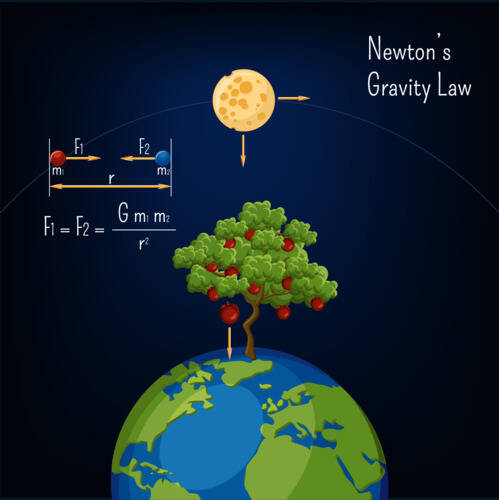
After explaining this to one of my classmates, Conrad Merkel, he said, “It would be much harder to explain to a little kid that gravitational fields do not exist and unless you’re going to become a physicist, does it really matter?” He has a good point, that’s probably why so many people are taught that gravitational fields exist. But, I think people should be taught the truth, especially if it’s essential to how they live. We can’t just change reality to make the truth easier for us to understand. This goes beyond just physics. It even relates to COVID-19. Some people lie to themselves about it and act like it doesn’t exist, act like it’s just another flu because that truth is easier for them to accept and understand when really, 5.76 million people have died from COVID in just about two years. As Theodore Roosevelt once said, “In the long run, the most unpleasant truth is a safer companion than a pleasant falsehood.”
 Students of the Sidewalk