
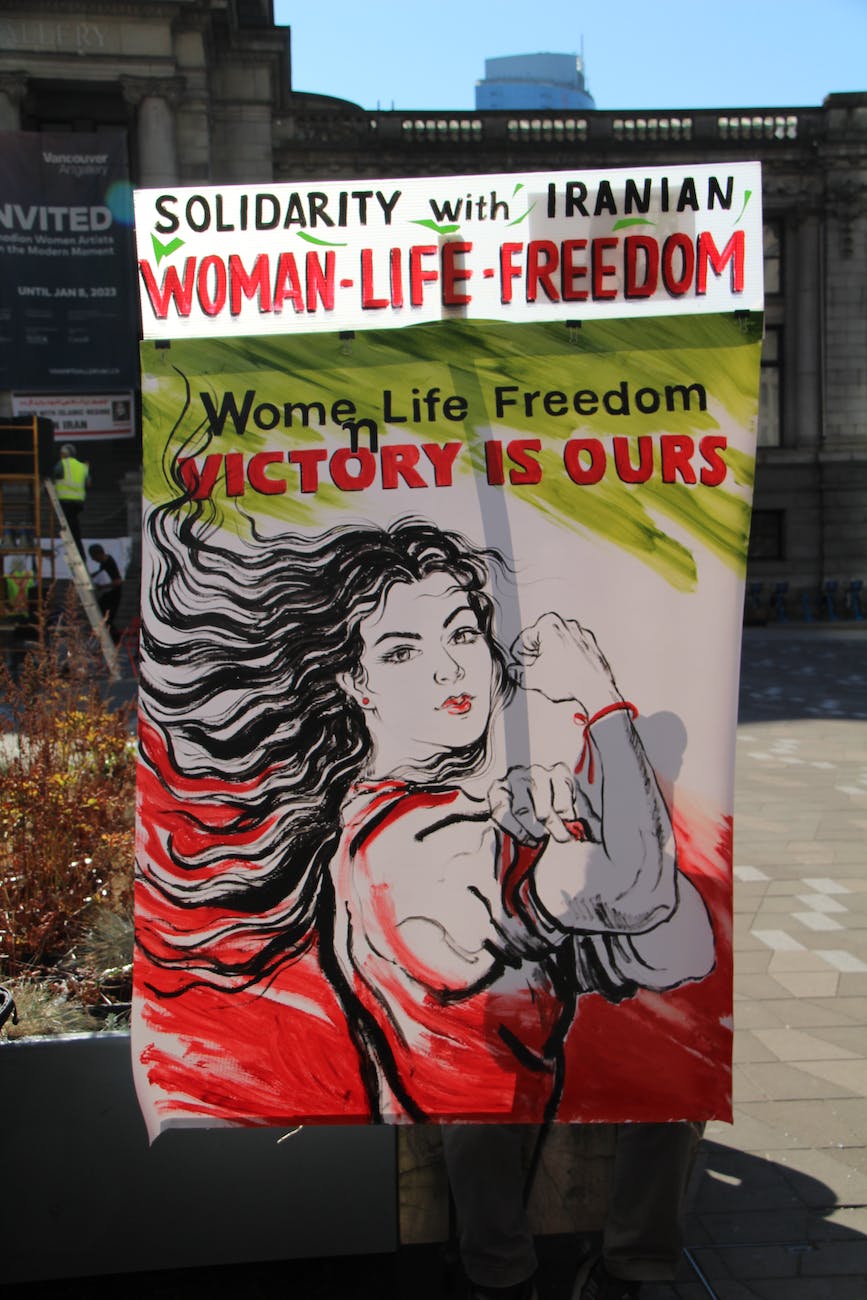
This time, they won’t be forgotten.
“Zan. Zendegi. Azadi.” (“Women. Life. Freedom.”) These words were yelled out as people protested in Iran, since the morality police brutally killed Mahsa Amini.
What Happened
On September 16, 2022, Mahsa Amini died in a hospital in Tehran. A United Nations report tells us that Amini apparently collapsed in a detention center. This was after spending three days with the morality police, which are Islamic religious police, focused on enforcing ” moral ” laws on other people. She was so severely beaten by the police during those three days that when they transferred her to a hospital, she died. Iranian officials say she died of a heart attack. Her family disputed this, as they stated that Mahsa Amini was in good health prior to the abuse.
A CT scan of Amini’s head was taken and revealed that there was a hemorrhage and a bone fracture. Some Iranian officials said this was incorrect and that she was not beaten and died because of a pre-existing heart condition. Again, her father said that was a lie, as she was in good health before.
Iranians have been fighting for their rights since the 19th century! They have been protesting every day since September 2022.
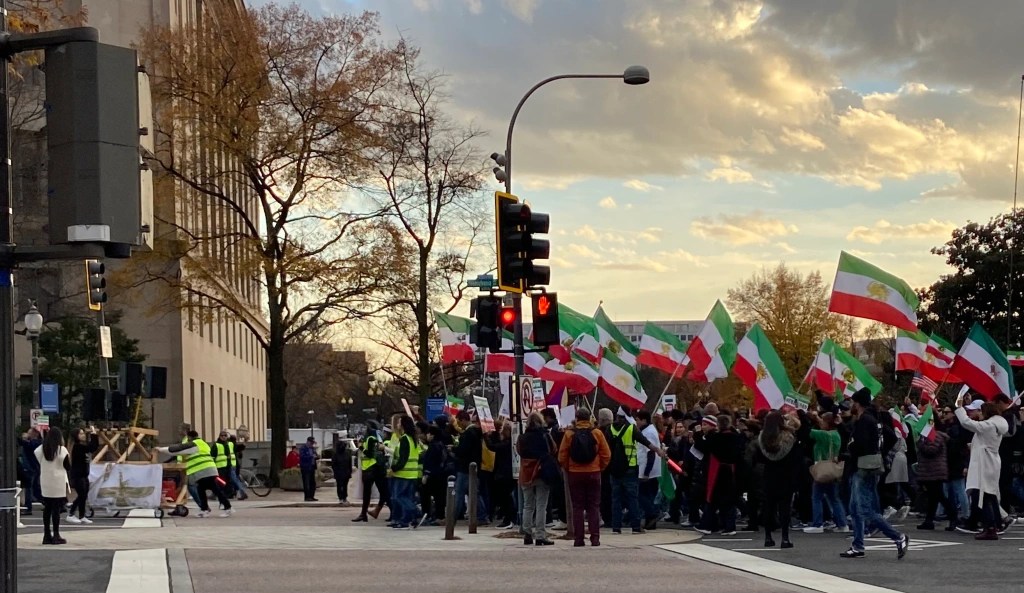
Photo by Merkel (2022)
What Are the Hijab Laws in Iran?
In 1983, wearing a hijab became obligatory for all women in Iran. In 2018, they changed the laws to be less severe so that women not following the hijab rules would instead attend a re-education class to be instructed on how to wear a hijab properly. When this happens, women are told to go in a van with the morality police, and they’re taken to the classes. They also have to sign a paper stating they will not commit the “bad hijabi” again. This takes away their rights to their own body autonomy and limits basically everything they can do in their daily lives. For example, the separation of the genders. While men could go wherever they wanted, women also, it makes it so that women are only permitted to be on TV with their hijab. Iranian people have been fighting for rights since the 19th century, and every day they do they risk their lives. The morality police makes it their job to tell women what to do and no one can ever be safe with these kinds of laws. Amini and many other women’s deaths have shown us that.
Over 500 people have died protesting for civil rights in Iran, so many more have been arrested, tortured and shot by the Iranian morality police.
Protests Break Out
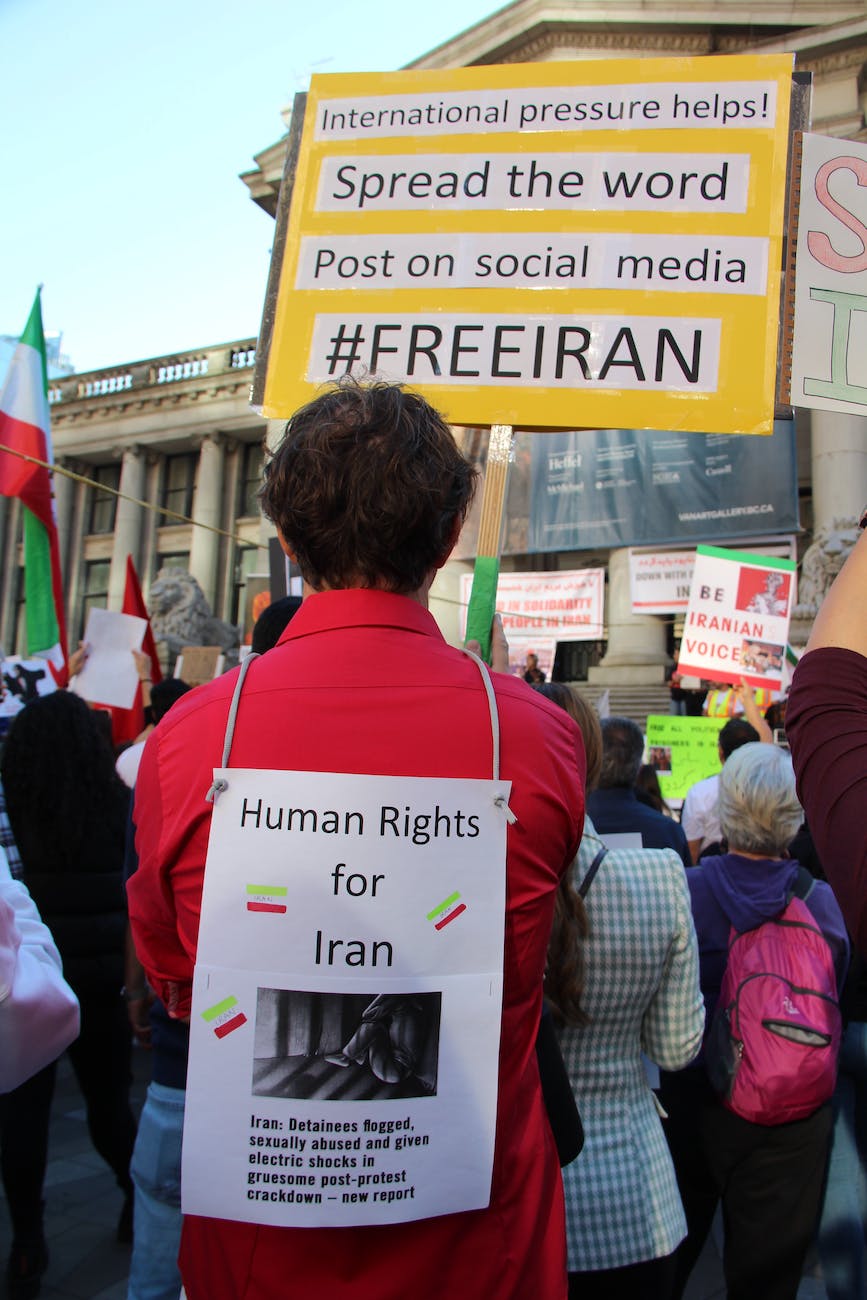
Amini’s death caused worldwide protests and fights and people advocating for human rights. But in Iran, this was much more dangerous and life-threatening than anywhere else. Mostly everyone resisted the oppression in a way, shape, or form. There were marches and petitions and boycotts and violence. People educated and spoke about this on social media and anywhere they could.
The protests in Iran almost always resulted in death and incarceration. More than 500 people have died protesting for civil rights in Iran, 14,000 have been arrested, and they have kept fighting daily. They have been shot, tortured, and poisoned with gas by the morality police. People could say it’s getting better, but things like these keep happening.
Internet Being Shut Down
Following the protests, the Iranian government decided to restrict access to the internet to the 84 million people living there. This takes away even more rights, no one could contact each other, organize protests, sign online petitions or ask for help. Even asking for healthcare became difficult as people couldn’t call an ambulance or schedule an appointment. This shutdown also prevents Iranians from getting payments for salaries, and education, limiting the ability of journalists and so much more. They didn’t have the ability to know if their family and friends were even alive. I remember seeing so many videos of Iranians asking for help before the internet was shut down on social media, and has anything become of that? Did people make a big difference in their horrible and unfair situation?
How can we help?
Many of us want to help, but how? There are actually some things we can do to help:
Donate:
The Abdorrahman Boroumand Center for Human Rights in Iran helps victims of human rights violations in Iran and helps document their stories in both English and Farsi. You can provide them with information or donate here.
The Center for Human Rights in Iran (CHRI) similarly researches human rights violations in Iran and helps and makes sure that cases are reported on. It also creates policy briefings for leaders in the government. They’re a non-profit organization, you can donate here.
The United For Iran organization uses technology to empower Iranians and fights for civil liberties in Iran, also improving human rights conditions. Like the CHRI, United For Iran is a non-profit organization and you can help support them here.
Human Rights Watch investigates abuses going on all around the world, focusing on minorities, civilians, refugees, and children in need. They also speak to governments, businesses, and armed groups and compel them to modify their laws. You can donate here.
Petitions:
Some petitions are actually closed, but many are still going.
Change.org is an amazing site with so many petitions, so far they have reached 86,256 victories in 196 countries. Change.org also provides many petitions specifically for what’s going on in Iran, which you can find here.
Protests:
Protests for fighting for civil rights don’t only take place in Iran, they have been going around the world. You can find protests near you, but if they are not available to you then the options above are still helpful for people fighting in Iran.
More ways to help:
SPREAD THE MESSAGE! Not all of us can afford to donate money, but we can still educate others on this topic, contact people who we know CAN help, and continue to talk and fight for human rights in Iran.
“One or two people can’t change the way society does things, we have to work together to change things for the better.”
-Anaya Salmon, 2022
 Students of the Sidewalk