NASA has an idea.
Back in 2013, a meteorite entered the earth’s atmosphere over Russia. It’s named Chelyabinsk. It caused destruction all around Chebarkul, the town above which the Chelyabinsk meteor entered the atmosphere. The shock wave was powerful enough to injure about 1,500 people and shatter more than 3,600 windows! Luckily, Chelyabinsk blew up in the atmosphere as it entered. But what if it didn’t? There is a good chance that that could happen and cause serious damage like the asteroid that killed the dinosaurs, Chicxulub. So what do we do if that happens?
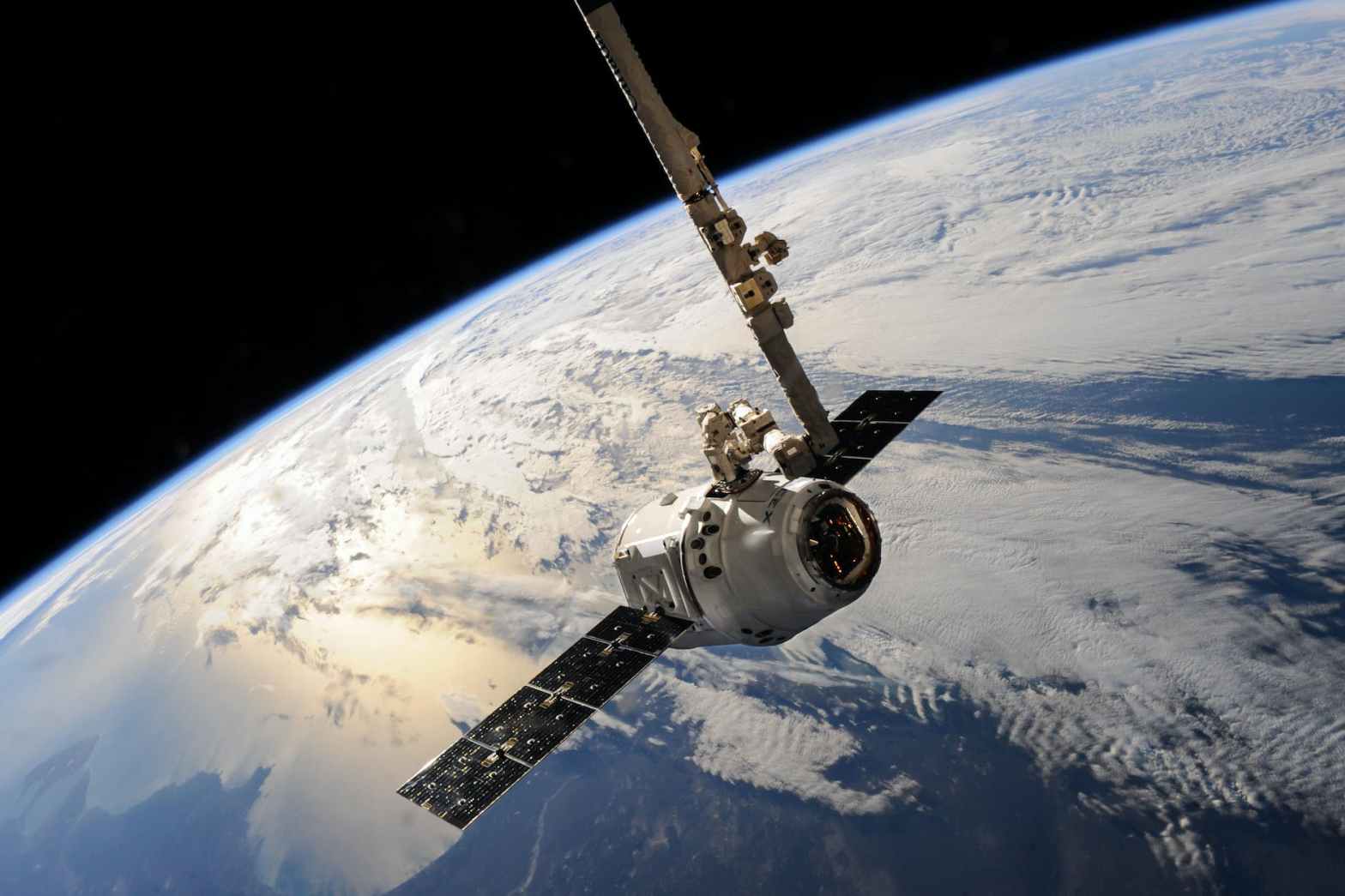
Well, we didn’t know what to do. We had ideas but we weren’t sure if they would work. Until now. Back on November 24, 2021, NASA launched a Double Asteroid Redirection Test spacecraft or DART. They aimed it at a minor planet moon called Dimorphus which orbits a larger asteroid called 65803 Didymos. Neither of these asteroids proposes any threat to us but they are helpful tests to see if we could stop an asteroid collision with Earth. On September 26, 2022, DART reached the end of its journey and collided with Dimorphus. To declare the mission a win, NASA was hoping for the impact to accelerate Dimorphus by 10 minutes. But the outcome was far better than what they hoped for. The impact accelerated Dimorphus by 32 minutes, shortening its orbit to 11 hours and 23 minutes!
The DART mission’s success is very important because by demonstrating the feasibility of changing an asteroid’s trajectory, this mission has laid the foundation for future endeavors to deflect asteroids that may pose a risk to our planet. If an asteroid is detected heading toward Earth, the methods used and tested during the DART mission could be utilized to alter its path and avoid a potentially catastrophic collision. But why was DART so successful?
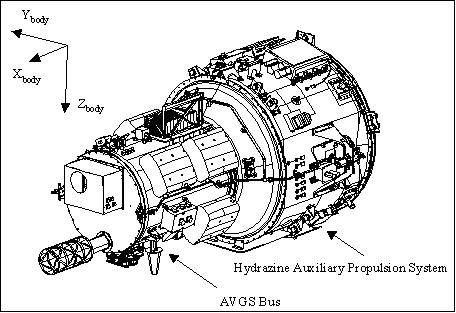
The DART mission was successful due in part to the use of advanced technologies and innovative methods. The DART spacecraft was equipped with a powerful propulsion system and a sophisticated guidance system, enabling it to navigate accurately to the asteroid and deliver a precise impact. The mission also utilized advanced imaging and sensing technologies to accurately assess the asteroid and determine the optimal approach for deflection.
The DART mission also benefited from strong collaboration and coordination among various organizations, including NASA and the European Space Agency (ESA). This joint effort involved the input of numerous experts and specialists from diverse fields and allowed for the sharing of resources and knowledge. This collaboration played a crucial role in the success of the mission.
Finally, there was one last surprise that helped DART become so successful. When DART collided with Dimorphus, a huge cloud of debris blasted off the asteroid, giving the asteroid a boost. Think of the debris as a bullet leaving the barrel of a gun, causing the gun to recoil. The recoil effect boosted the asteroid through space, further increasing its speed.
The DART mission not only accomplished technical and logistical feats but also influenced public perception of asteroids and the risks they may pose. The mission garnered significant media coverage and generated public curiosity about asteroid deflection, raising awareness about the need to protect Earth from asteroid impacts.
In conclusion, the DART mission was a significant achievement in the realm of asteroid deflection and the protection of Earth. It showed that it is possible to change the path of an asteroid and safeguard the planet from potential impacts. This success has spurred further exploration and progress in this field. In addition, the mission has increased public awareness and understanding of the importance of asteroid deflection and the risks posed by asteroids and has highlighted the necessity of protecting our planet from these threats.
 Students of the Sidewalk