
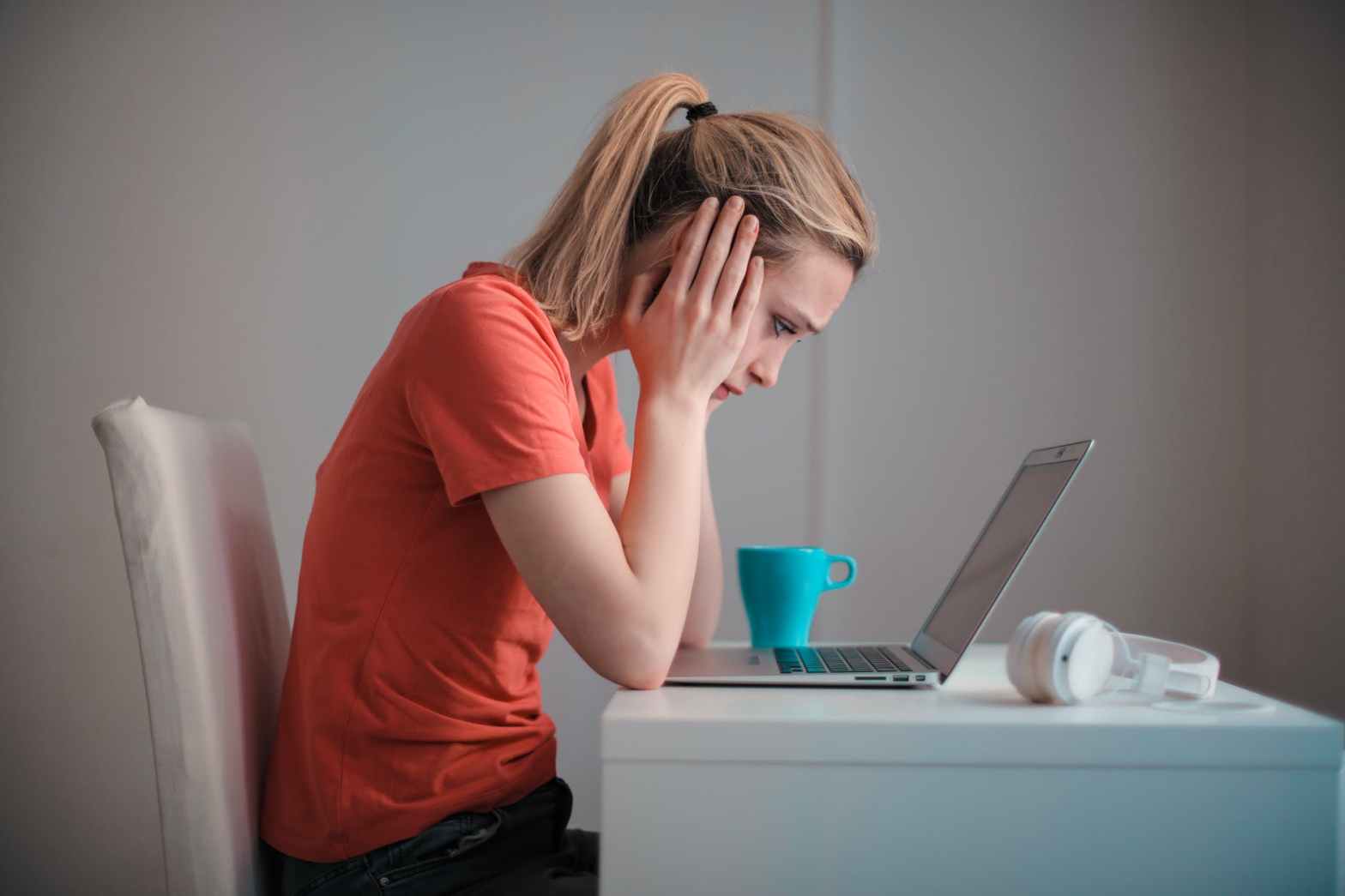
No one could guess how much of an impact remote learning would have on kids until it finally happened.
We all know what remote learning is, it was only a year ago. We all remember the difficulties of it, but do you know it affected students’ education and mental health, and not just for a handful of students? Most, if not all, students were affected ranging from feeling sad to going to the hospital for mental health and trying to commit suicide. And in education, from not knowing how to use a computer that well to having no access to technology, which kept them from being able to receive an education.
In 2020, the world shut down and life changed more than anyone could imagine. Students were hit the hardest. School—once a time to be away from home in a building with friends and others—was suddenly turned into a room in your house with a computer in front of you. We spent hours on Zoom calls, learning platforms, and Google classroom. This led to practically zero social interaction since no time was fit in for that when school was on a computer. With the loss of activities and social interaction that school provided, kids started to lose interest in things while also feeling depressed. While having classes on a computer, students’ education levels decreased because of not being able to have access to good learning websites and not knowing how to operate the computer. Teachers also had less of a chance to teach students who weren’t able to get access to computers or lived in “dead zones.”
A CDC study reported that children were found to have a worse mental health during remote learning and actually increased by 31 percent from 2019 to 2020. About 45 percent felt sadder than they did before, some thought about suicide, and some actually attempted it. This was an effect found among all races, genders, and sexualities. High school students said in a survey CDC that they used alcohol, drugs, and tobacco more during the pandemic than before it. About one in three students suffered from bad mental health during COVID-19, suffering from anxiety and feeling sadder and hopeless, angry and depressed. Hospitals also received more mental health emergency visits during the pandemic with 24 percent for kids 5 to11 and 31 percent for kids 12 to 17. According to the CDC, “the proportion of mental health-related Emergency department visits among children increased 66 percent, from 1,094 per 100,000 during April 14-21, 2019 to 1,820 per 100,000 during April 12–18, 2020.” Students have overall suffered from increased anxiety, depression, and the feeling of being hopeless; have tried to commit suicide or have at least thought about it; and high schoolers have had an increased use of drugs, alcohol, and tobacco.
When she began remote learning in the 4th grade, Nancy Freiydiay’s education took a big hit. She wouldn’t do the work at all and would just stare off into space and she started to get bad grades. She started to get frustrated by it and though she thought it did get better in 5th grade it still wasn’t ideal. Even her parents noticed the change in her grades, but her teachers were too busy from the chaos to notice.
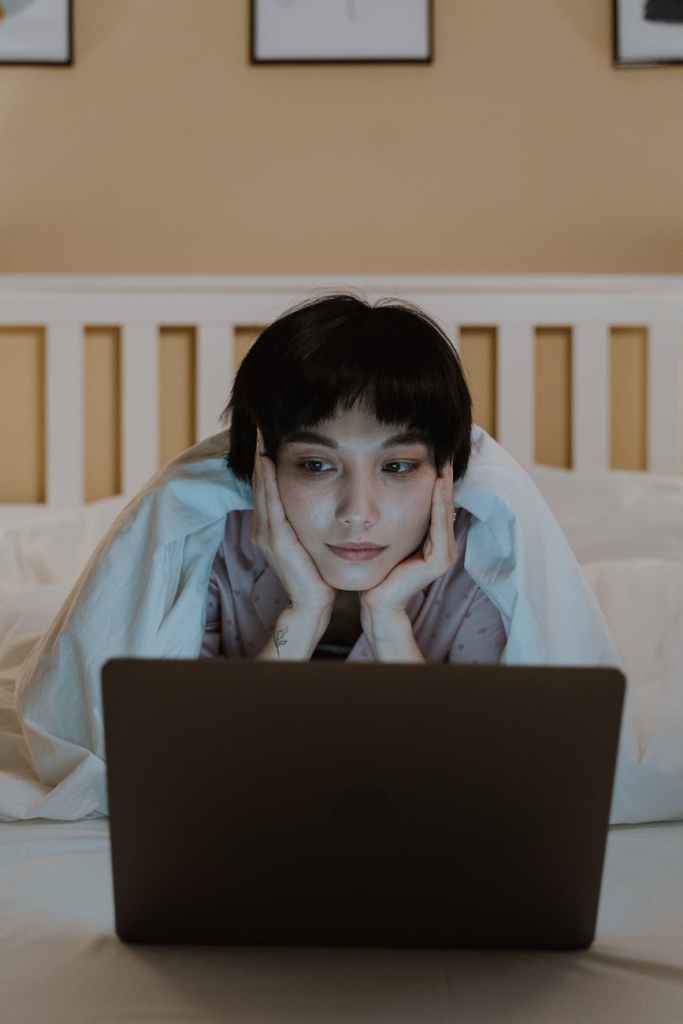
Other students besides Nancy had similar downsides in their education during their remote learning. Though it wasn’t just because of the depression, but also because of the lack of resources and tech. Some families weren’t able to afford the technology their children needed for school. Though some schools fixed this problem by giving their students a computer, most schools weren’t able to fit this into their budget. Even if students did have access to a computer, there were areas in the U.S. where it was a complete “dead zone” for Internet access. Students who live in these areas had problems gaining access to the Internet making it so they weren’t able to join Zoom classes and do the work. People were also highly unmotivated, like Nancy was, to do the work making it difficult to pay attention. Students weren’t able to have much-needed one-on-one time with their teachers so if they had a question about something they found confusing, it was much harder for them to get answers. This would leave them without the information they needed to fully understand the topic. Overall, students’ education really faced a downfall during remote learning.
The downsides of remote learning have been huge and students have suffered in many different ways, including their mental health and poorer grades. But luckily, remote learning is over and we can start to leave that horror behind. And kids that are still being affected by this can spend more time with friends, family, and people they love. They can return to fun activities they enjoy and work hard in school to get back on their feet since COVID arrived.
 Students of the Sidewalk