
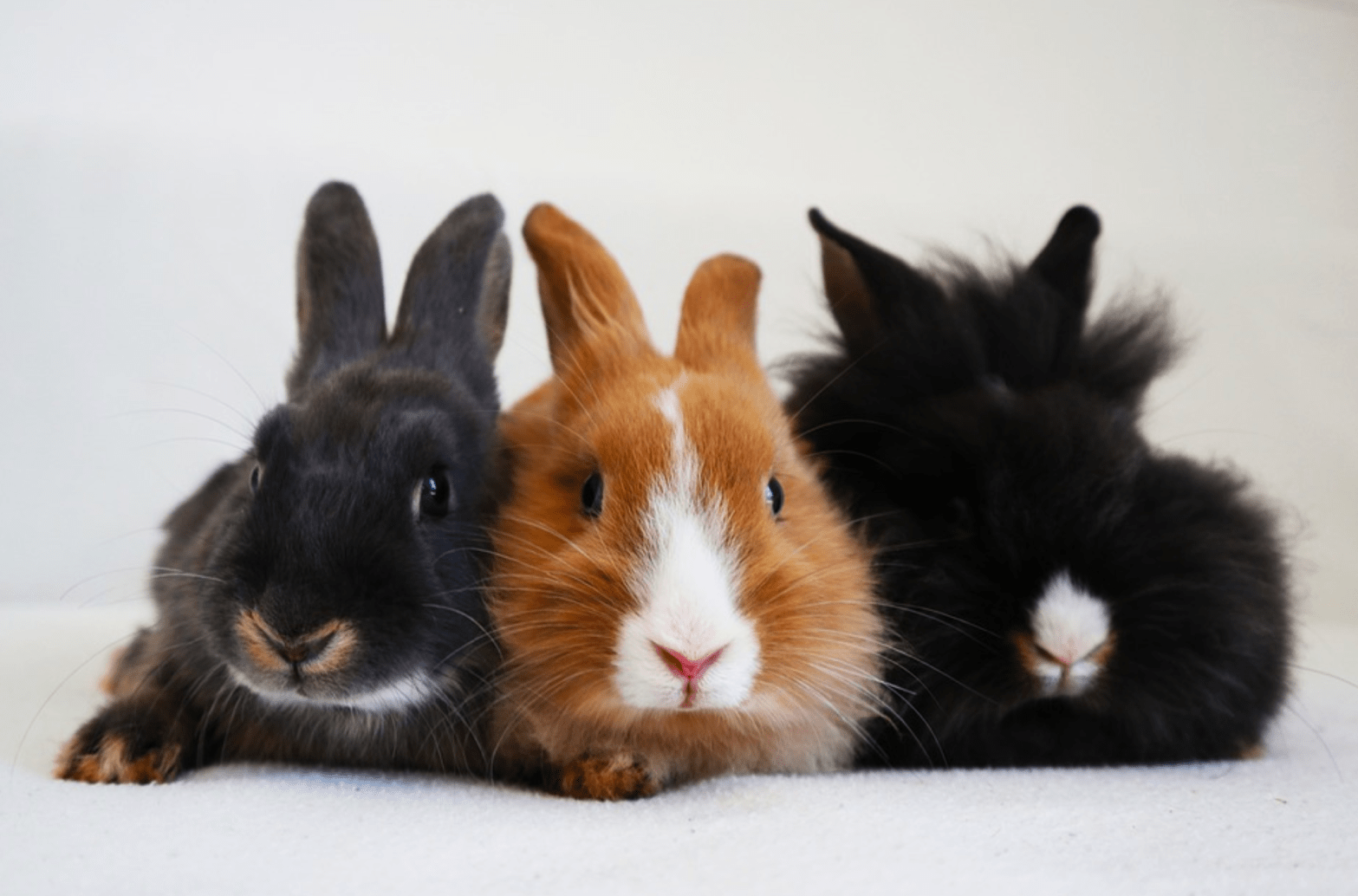
Animal testing is a problem. Find out why it’s unethical and how you can make a small change that will benefit so many.
Would you like to be worn, used for entertainment, poisoned, shocked, burned, crippled, abused, and killed? If your answer is yes, first get some help (and a LOT of it), and second, keep scrolling ‘cause this article is definitely not for you. Hopefully, you said no, and in that case, keep reading and find out how animals are tortured because of animal testing.
For those of you who are not completely sure, animal testing is a form of abuse performed on many animals. There are many different animals on that list, and they all suffer for a species that does not belong to them. These animals are forced to live through chemicals being injected into their bodies, forced up their nostrils, dripped into their eyes, and/or forced down their throats. They have been made addicted to drugs, put through mental distress, forced to ingest or inhale toxic substances, blinded, deafened, stapled, and infected with viruses. Animal testing is used for medicine and some cosmetics and is typically performed in medical schools, commercial facilities, laboratories in universities, pharmacies, and government facilities.
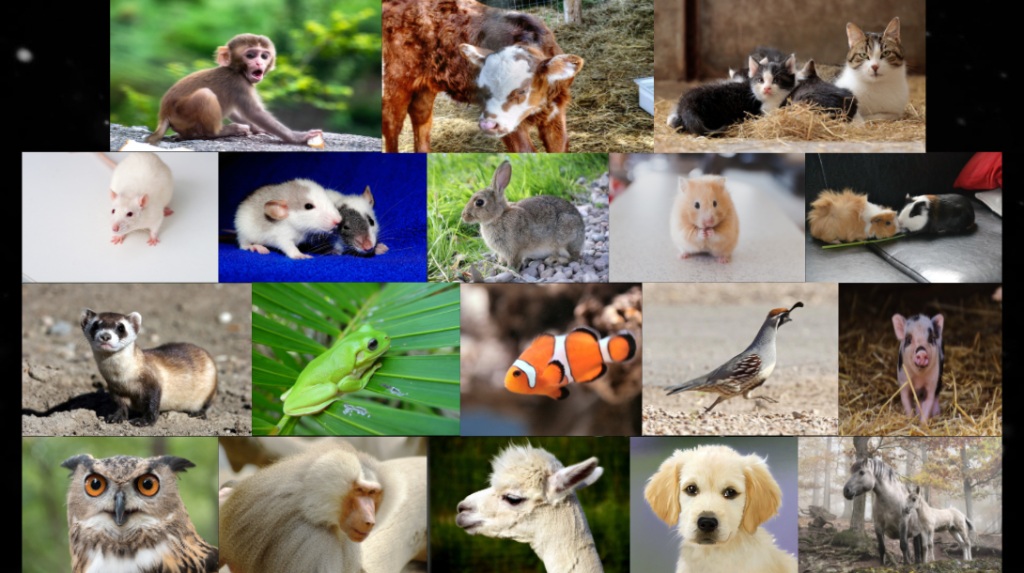
Animal testing has been going on for a long time and there are some solutions for it. Solutions that don’t involve risking animals’ rights and lives every single day. You may think animals don’t have rights. And I’m here to tell you that if you don’t want to be tortured, you want to stay alive, and you want to fight for your rights, then animals deserve that same right. Obviously, they don’t have our words to communicate with us, fight for themselves, speak for themselves or defend themselves in any other way, but we can be their voice. We can stand up and be their support. They deserve to be treated with kindness, dignity, and respect. We deserve that too, but in this world we live in, who knows if and when that’s gonna happen…
So far, we know what animal testing is and all the bad that is coming from it, but it’s time to hear some solutions that have a better impact on the planet, us, and obviously animals. Basically, these alternatives use human (not animals, actual HUMAN) cells and tissues and advanced computer techniques. Some of these alternatives are called Organs-on-Chips, which have our organisms and our features along with our human cells. This little chip is designed with our organism, so it is bound to be more accurate than animal testing. “These micro devices are composed of a clear flexible polymer about the size of a USB memory stick that contains hollow microfluidic channels lined with living human organ cells and human blood vessel cells. These living, three-dimensional cross-sections of human organs provide a window into their inner workings and the effects that drugs can have on them, without involving humans or animals.” This was said on the website of the Wyss institution, which has a team of clinicians, scientists, and advanced technology members. Don’t be fooled; hopefully, these devices are the future, but we are definitely not there yet. People are still pursuing the horror that is animal testing…
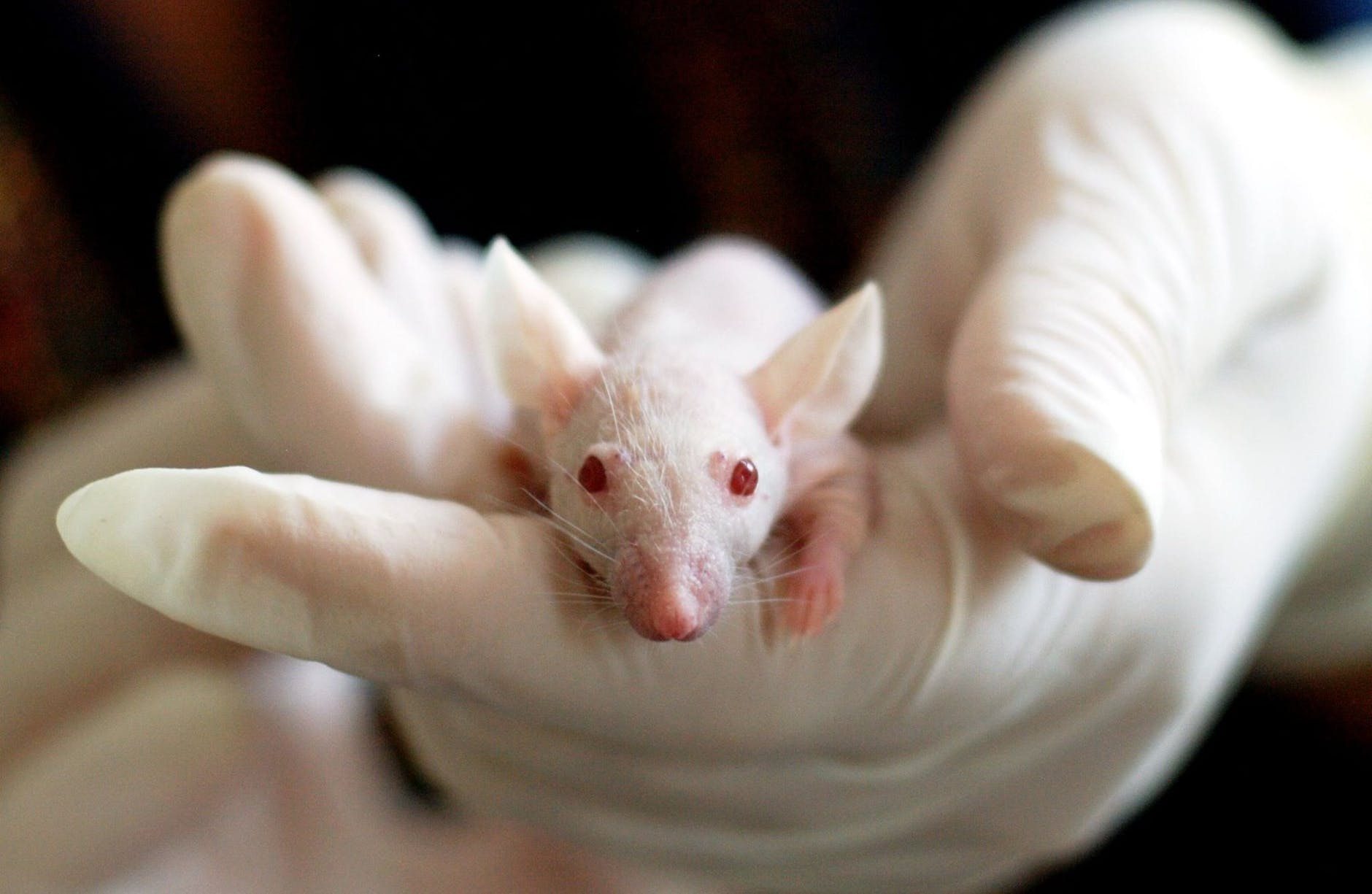
”The history of cancer research has been a history of curing cancer in mice. We have cured mice of cancer for decades and it simply didn’t work in humans.” Said Dr. Richard Klausner in an interview with PETA. He is an American scientist who served as the 11th director of the National Cancer Institute of the United States. Look, I know we don’t all love mice, but that is no reason to kill them! I am not a scientist so I don’t know much about all the work they did on the mice, but can you expect a mouse to have the same organisms as humans? Similar maybe, but definitely not the same. Meaning that if you cure a disease or sickness on a mouse, it will probably not be the same in humans. And that means that you killed hundreds of thousands of mice for no reason.
Do you check what kinds of products you use? Are they free from animal cruelty? Are they vegan? Listen, I am not telling you to throw out every single product in your home that was tested on animals, but please be conscious of the products you buy. There are many animal cruelty-free products but certainly not enough. Molly Smith, an 11-year-old student in Columbia Secondary School for Math, Science, and Engineering said, “I was looking for vegan and cruelty-free lip gloss online but there were basically zero that were completely vegan and cruelty-free.” Smith later added, “It is very hurtful and unfair, I hope it ends soon.” Smith is the model for what you should strive for, looking for animal cruelty-free and vegan cosmetics when she went shopping.

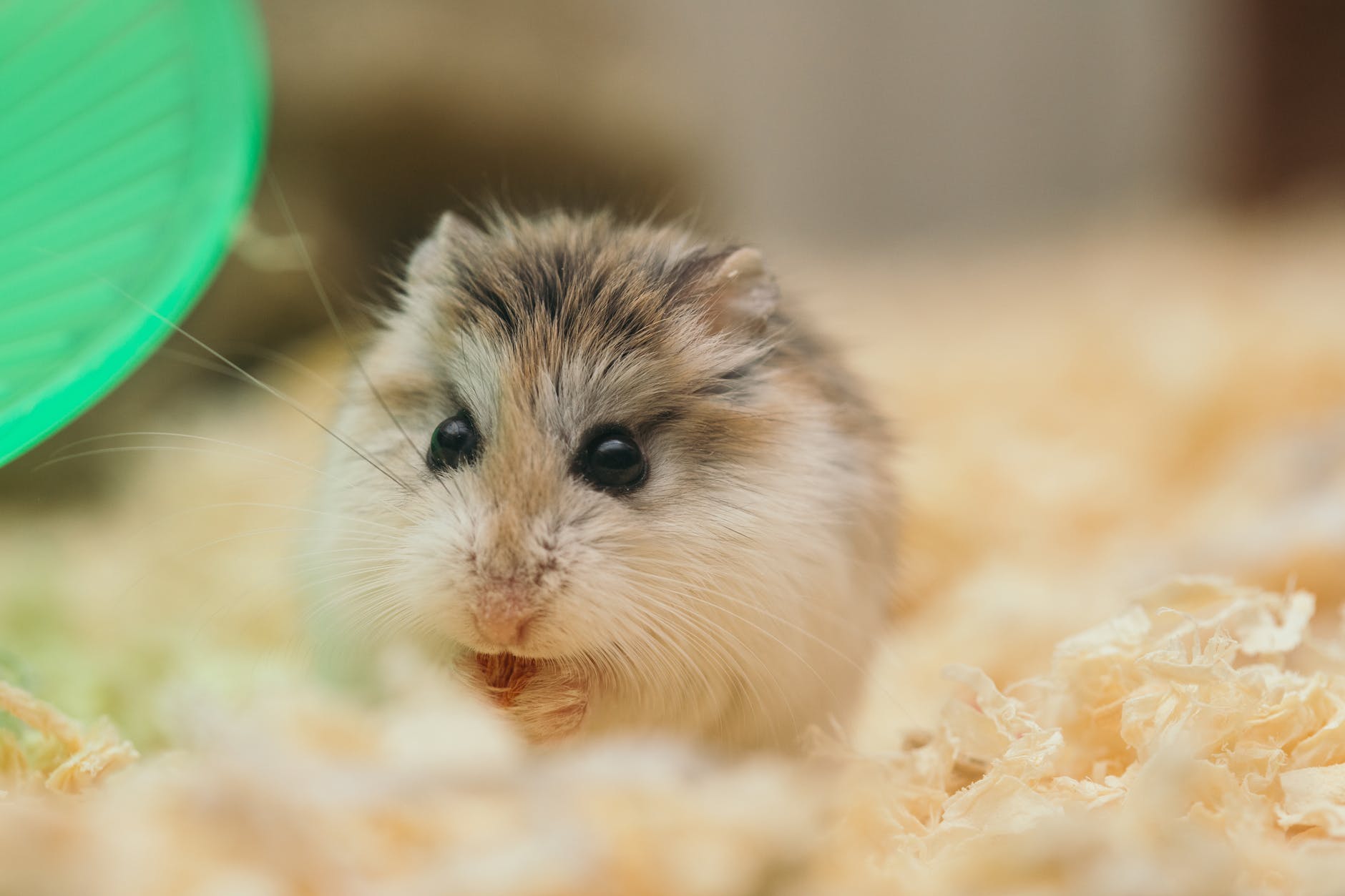
“One example of animal cruelty and unfairness is hamsters who a lot of the time are not cared for properly and are treated like pets that don’t take up much space and don’t need a lot of care, but in fact, they do need a lot of care and I think its a problem,” said Cooper Benjamin, another student attending CSS. Benjamin is 100% correct. Not all forms of animal cruelty are done in a lab or a different type of facility. Specifically, hamsters are cared for incorrectly and you may think that they are completely fine living in a small cage, but they are not and it has been proven to be dangerous for them. If you know someone with an animal that is being kept in a small living space that is not well suited for that animal, encourage them to find a safer environment for their pet.
“I know nothing at all about animal testing,” said Bella Rodriguez, a young student attending Columbia Secondary School. You may know as little as Rodriguez or as much as Olive Kano, a college student in Monroe College who said, “Animal testing was currently used a lot during the creation of many products in the past couple decades and is currently being less explored because people want to make more vegan and cruelty-free products. I do not agree with animal testing.” She added, “I only use a couple of cruelty-free products and think there are not enough on the market.” Whoever you are, Rodriguez or Kano, you can learn more about animal testing, and make an actual impact.

All that aside, I will not sugarcoat this, animal testing is all our fault. We did this to them. Our kind did this to them. Knowing that they can’t tell us to stop. Knowing that they feel pain and hurt. Knowing that it is NOT right. Knowing that if they were doing this to us, it would be a completely different story. How can we live with the guilt that we killed 100 million animals because of animal testing in U.S. laboratories? How can we live with the guilt that there are solutions, and really good ones at that, but it’s still happening? How can we live with the guilt that some of us don’t even try to look for animal cruelty-free products? How can we live with the guilt that YOU (this will not apply to all) may not have known about animal testing before this article? And that YOU (this will not apply to all) aren’t doing anything to stop it? Why do we keep lying to ourselves? Try to fight for animals—they need you more than you think.
 Students of the Sidewalk