What many people see as dangers to only rats affect more animals up the food chain.
How Rat Poisoning Affects Raptors
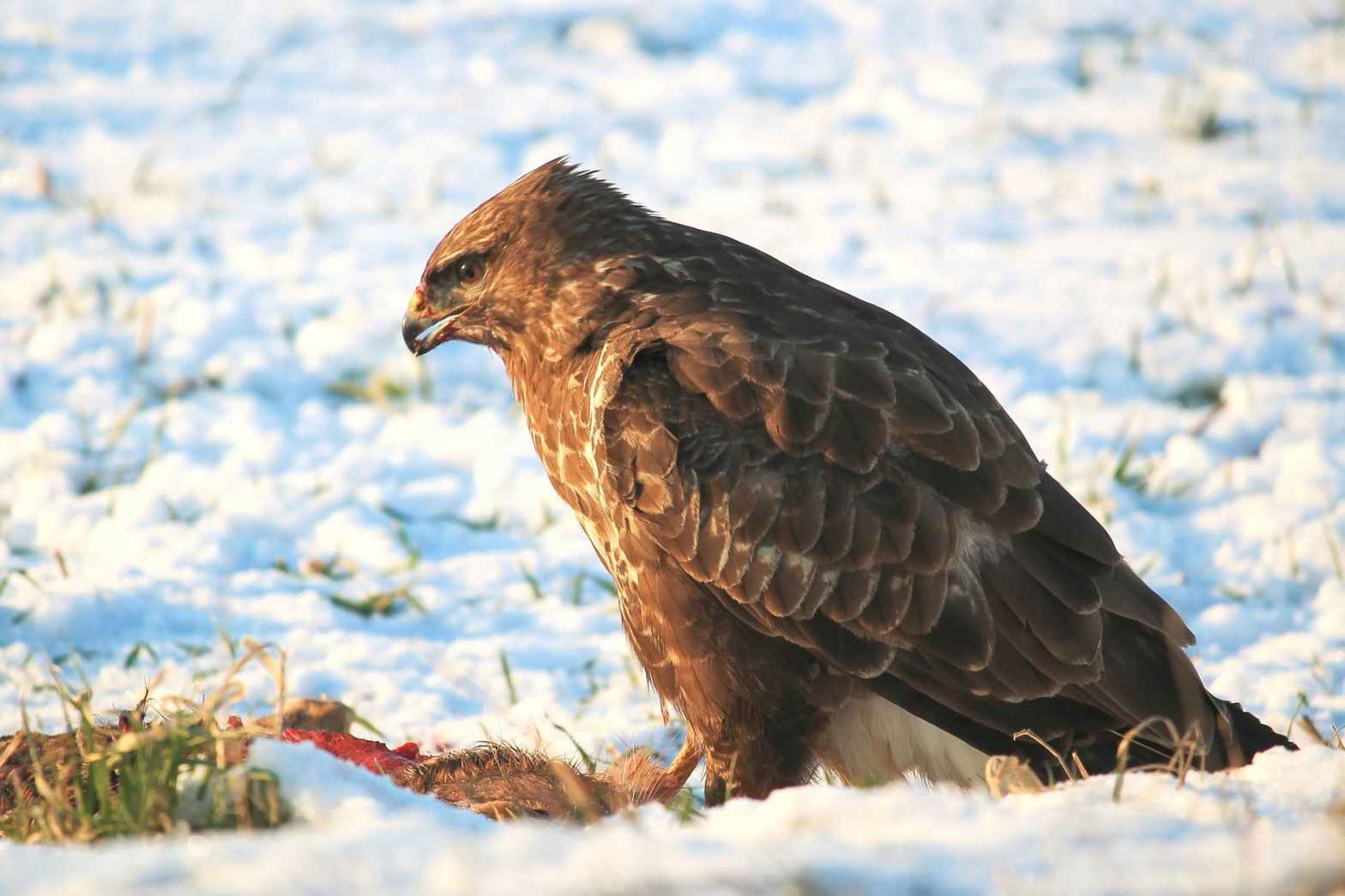
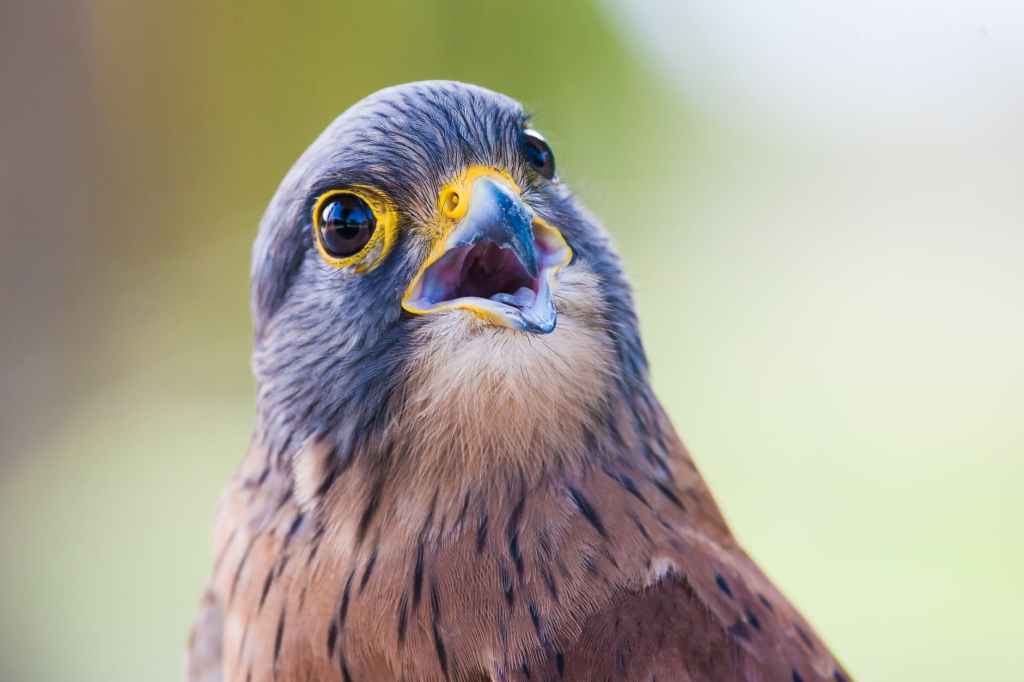
If you live in New York City you have probably seen a raptor before. Maybe it was flying high above you or perched on a building. There are plenty of raptors and New York is the perfect place for them. Tall buildings and thousands of birds and rats. Raptors need to dive from high buildings to catch prey. This makes NYC the perfect habitat for raptors.
Unfortunately, raptors eat lots of rats and rats are sometimes poisoned. This leads to countless deaths of raptors every year.
Here is how it works. First, there needs to be a rat that has just been poisoned in a trap (it can really be anything as long as the hawk eats it). When a rat eats the poison it does not kill it immediately in which case the raptor would not eat it. Instead the rat becomes drowsy and slow moving and in the end easier to catch. If the raptor eats it, or any amount of animals that have enough rat poisoning, in can lead to a fatal dose. Then, after a couple of days the bird will have bled enough to die. That is not the most common way that the raptors die because before they bleed to death they have trouble moving around and are more likely to get hit by a vehicle or run into something.
Barry the Barred Owl
Barry was a barred owl that stayed in NYC for a very long time. She was first spotted on Oct 9, 2020 and was a huge hit among Central Park birders. She stayed in lots of places throughout Central Park and lots of people went to see her in the park.
Tragically on Aug 6, 2021, a parks department vehicle hit Barry early in the morning. Barry had stayed in Central Park incredibly long compared to most other owls. It was a sad loss for birders.
The parks department later did a dissection of Barry and found that she had rat poisoning in her body. This rat poisoning most likely affected her flight resulting in the crash that led to her death.
The Source of the Poisoning
The rat poisoning is said to be placed by the Department of Environmental Conservation in areas where there are a lot of rats so the rodents will eat it and other animals will not be harmed. That is not always the case. The rat poisoning is put in a place where a raptor would most likely not directly eat it, but there’s not as much of guarantee that the hawk won’t eventually eat the animal that eats the poison.
Many of the rat poisoning that was sold was illegal. Brodifacoum is a very deadly rat poison and it was first banned in 2008 by the Environment Protection Agency (EPA). Despite restrictions, it was still sold in many agricultural stores across the U.S. On May 31, 2018, the EPA cut off delivery of brodifacoum, but let stores sell out their current supply.
Two months later, brodifacoum was still being sold in stores. This is because the restrictions were only on small supplies of brodifacoum. The decision was made with the idea that if people could only buy large quantities that they would not buy it and stores would drop the product because it would take up too much space.
What you can do
This is still a real problem in NYC. If you have a rat infestation you should use snap traps. They kill rats quickly and do not harm any raptors. Please note that sticky traps are also not a good idea because birds can get trapped in them along with rats.
I hope you learned something about this growing problem and are driven to help even in just a small way. I believe that this is a topic that should be addressed and hopefully solved in the near future.
If you are interested in learning how to help even more, you can visit Raptors Are The Solution, an organization dedicated to helping raptors.
 Students of the Sidewalk