
The backgrounds of the main cuisines in New York City.
Food. It keeps us alive, it nourishes our hunger. But is that all it is? For generations, food has been a way of bonding with other people, and cooking an important way of expressing yourself. We have traded food for years, to experience cuisine from all corners of the world. And now, in certain communities, you can experience many different cultures in the same place, through food. One of those rare places is the capital of the world, New York City. I’ve lived in the Big Apple my whole life, and have tasted some amazing food. But the detailed origins of many cultures’ food is rarely seen by most people. That is something that should change, starting . . .
Now.
In this article, I want to enlighten you about the wonders of food. Now, you may think that there’s not a lot to be learned about food. You eat it at least three times a day, and it keeps you alive and well. Simple. But is there more? Uhh, yeah! Food is such a complex topic where you could go back thousands and thousands of years to the beginning of cuisine in the Paleolithic Age and see ancient dishes from cultures all over the world. But in our modern world, many traditions and cultures can be found much more easily, in many places, through food. I want to introduce you to what lies behind the lumps on a plate, the origins of many food groups in New York City, and maybe inspire you to try something new that you might not have seen before!
Thai
You can see Thai food all over New York City, and it is amazing. Trust me, I have had Thai food thousands of times, and there are so many flavors and work that go into making any dish.
But in Thailand, the food is divided up into four sections, from different parts of the country: Northern, North-Eastern, Central, and Southern. Here’s the breakdown of the four.
| Northern | Generally milder cuisine, sticky rice preferred, kneaded into small balls with the fingers. Kaeng Hang Le, pork curry spiced with ginger, turmeric, and tamarind, influenced by neighboring Burma |
| North-Eastern | Influenced by Laos, North-eastern Thai food is generally highly spiced. It uses sticky rice in most meals. Historically this area didn’t have much meat, so fish and general seafood were used more often. |
| Central | More royal-focused cuisine, with more elaborate meals that represent a whole form of art. Jasmine rice is used mainly instead of sticky. |
| Southern | The most popular Thai food outside of the country, Southern has the most tourists of any part. It uses more nuts and coconut in many meals, as well as being heavy on seafood. |
According to Khao Lak Explorer, Thai food is an amazing blend of thousands of years of development. I highly recommend trying this whenever you can. It tastes amazing, and I love the history of this amazing cuisine.

Indian
Indian food is another type of food that my family and I eat quite, quite often. According to historyforkids.net, “If you visited someone in early India, you would most likely be served rice, veggies, meat, and wheat bread.” Indian food also has a lot of curries and sauces, some of which take days to make.
In ancient and most of modern Northern India, most of the food is less spicy and includes dairy products like yogurt and butter, as well as delicious lentils. However, in the south, you will find food is a lot spicier, with more rice and coconut. People near bodies of water wood also use fish and seafood.
Lots of food was also produced from India to be used in some of the cuisine and traded around the world. Cinnamon, pepper, and sugarcane all came from India, three products seen everywhere in the world n0w. They were traded for other foods that became a large part of Indian cuisine. An example of this is lentils. They are the seeds of small bushes, and originated in about 10,000 BC. It was traded into India from Egypt, Greece and Central Asia around 2500 BC. They have been a vital part of Indian food ever since.
Mexican
Mexican food is hugely popular in New York City, and for good reason. It’s a blend of indigenous and Spanish food, with corn, tortillas and chile peppers being the main components of it. It has been affected by many other countries, like Spain. They started to colonize Mexico in 1519, and introduced many different foods. According to Mexicali Cantina Grill, “the Spanish introduced many of their own recipes and dishes into the indigenous culture, like rice, olive oil, garlic, coriander, cinnamon, and many other spices. They also brought many domesticated animals like pigs, sheep, cows, chickens, goats, and more for a reliable source of protein.”

The most recent time another country greatly affected Mexican cuisine was France, when they intervened in Mexico in the 19th century, affecting Mexican food in a few ways, introducing their own recipes and culture. Over the years, however, lots of people and countries have adapted and influenced the amazing Mexican food that we have today. If you want some recipes to try for yourself, visit featingathome.com.
Japanese:
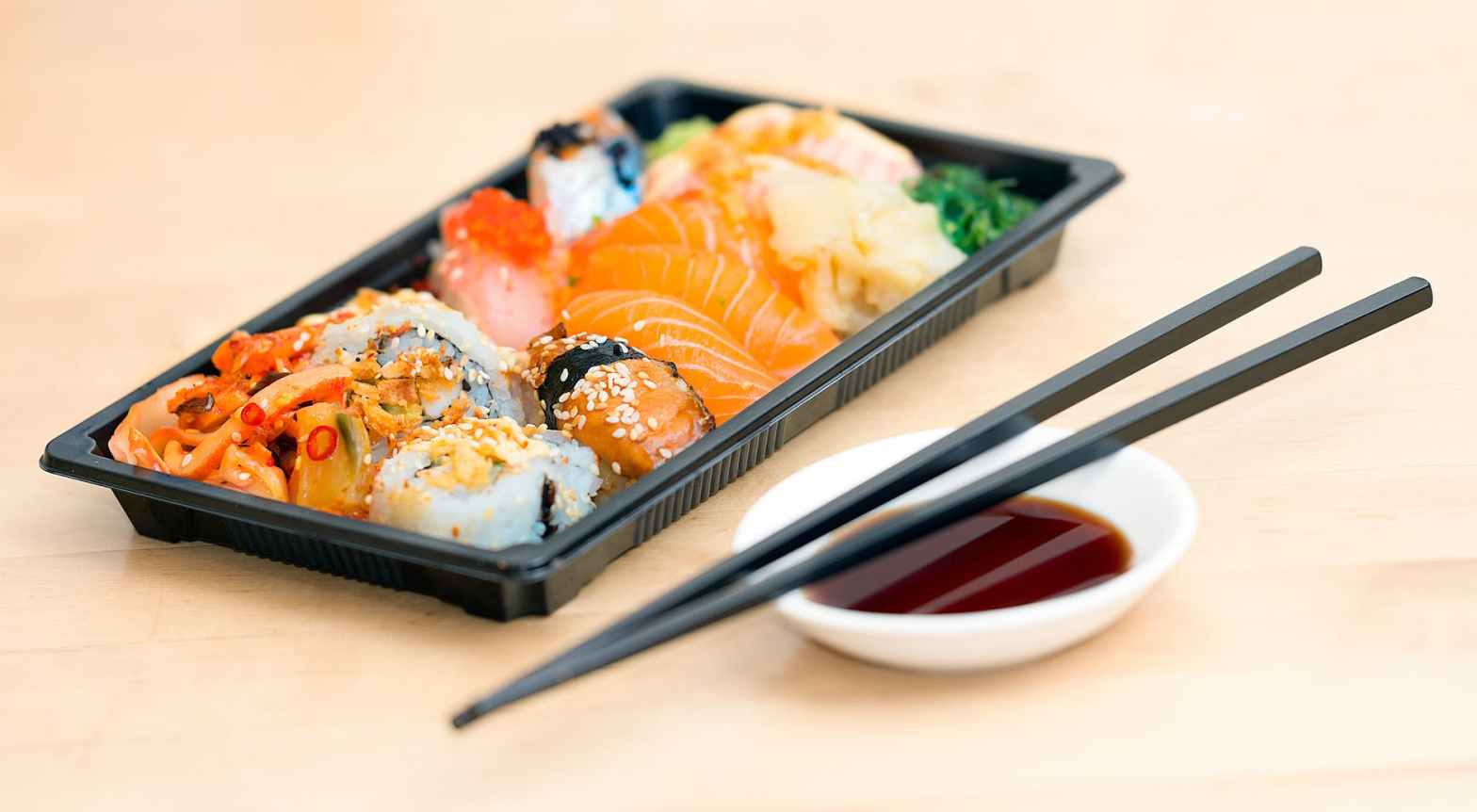
Japanese food has gone through stages and developed over a huge period of time to become what it is today. Many people eat loads of japanese food, from simple raw fish to incredible hibachi and complex sushi. I myself eat a lot of japanese food, and some of my favorites are fried dumplings and avocado-cucumber sushi.
Japanese cuisine is based around rice and miso soup, and commonly has sides of fish, pickled vegetables and vegetables cooked in broth. Much of japanese was influenced by China, but now has begun to be influenced by other Western foods.
The makings of current Japanese cuisine have spanned generations, and created a sophisticated, popular, delicious culmination of centuries of adaptations and amazing cooking.
Chinese:
According to travelchinaguide.com, there are four main food groups in Chinese cuisine that make it as tasty as it is. These are grain, vegetables, fruit and meat. In most of the Paleolithic Age in China, people ate everything raw, before the game changer of cooking with fire started towards the end of it. This really started to change Chinese cuisine, but we still see some raw food from the time in the Paleolithic Age where cooked food was not a thing.

Some main dishes in Chinese culture are, according to chinalighlights.com, dumplings, hot pots, sichuan pork, chow mein, Vermicelli rolls and shrimp, to name a few. Despite this, there are many, many other smaller parts of Chinese cuisine that make it as special and amazing as it is.
 Students of the Sidewalk