
How quickly is the world deteriorating in our hands and why is it doing so?
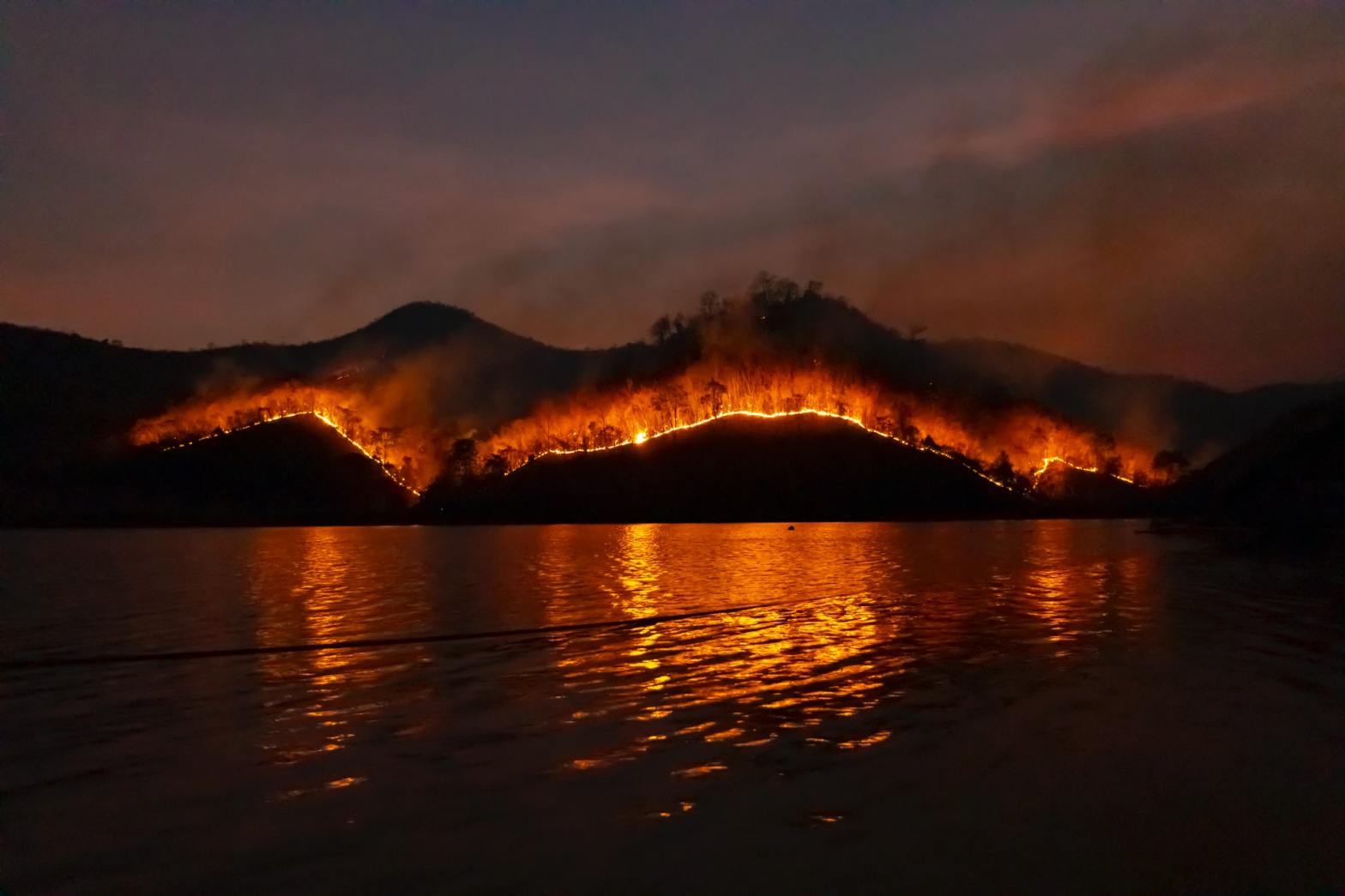
We are watching as the world falls to environmental problems. Australia is being burnt down in bush fires, surrendering many species of animals to the roaring flames. California is having its trees crackle and fall to monstrous roaring wildfires that shrouds too many places in a thick orange haze of smoke. Those of us lucky enough to be far away from the fires just sigh in sympathy as we watch people lose everything, but we’re not helping. We are polluting oceans and over fishing natural resources that will run out soon if we do not stop and give our natural resources time to rejuvenate. Polluted and overworked natural resources are affecting the inhabitants of Oceania negatively in ways that are both cultural and medicinal.
The inhabitants of Australia are no strangers to wildfire. They come and go every year, but 2020 has been a disaster in ways spread beyond the COVID-19 pandemic. This devastating fire season, Australia has lost millions of acres and 20 human lives. On an estimate, half a billion animals were killed by the fires in NSW, or New South Wales, alone. As many as 136 fires can blaze in NSW per day! Millions of acres, 20 people, and ½ billion animals are just part of the damage. More than 480 million animals died. A third of koalas and a third of their habitat have been destroyed. The smoke in Sydney was so bad, it once measured 11 times the “hazardous” level! Just in NSW, more than 1,300 houses were destroyed, along with more than 8.9 million acres were scorched. The damage done to natural resources and animals has spread beyond land to the marine industry as well.
Imagine this: 385,000 people being born each day. The population is doubling, tripling, quadrupling. There would be nothing wrong with that, if not for the fact that we cannot support the population of the world with the way we are currently treating our natural resources. The marine industry is a popular source of livelihood and food for many, and with more people to support, people are now fishing by the tonnage each day. We are giving the sources we take from endlessly no time to replenish its species and supplies. I said to imagine that disastrous situation, but it is the reality we are currently facing. If we keep on going, many fish face the possibility of extinction. Another downside to fishing endlessly is that too many people accidentally catch dolphins and sharks. Large sea creatures like dolphins and sharks are also key players in the marine ecosystem. They eat harmful creatures of the marine food chain, and their carcasses provide food for smaller fish. Without them, harmful species are going to run rampant, and the smaller fish who depend on their bodies for food will lose a food source, which may lead to the extinction of their species. In 2005, 17 of 82 species in Australian waters were classified as overfished, and illegal fishing is not helping the problem. Oceans are like carbon sinks. They absorb ⅓ of carbon dioxide emissions. Offshore gasses and fossil fuels are changing ocean chemistry and making them more acidic.
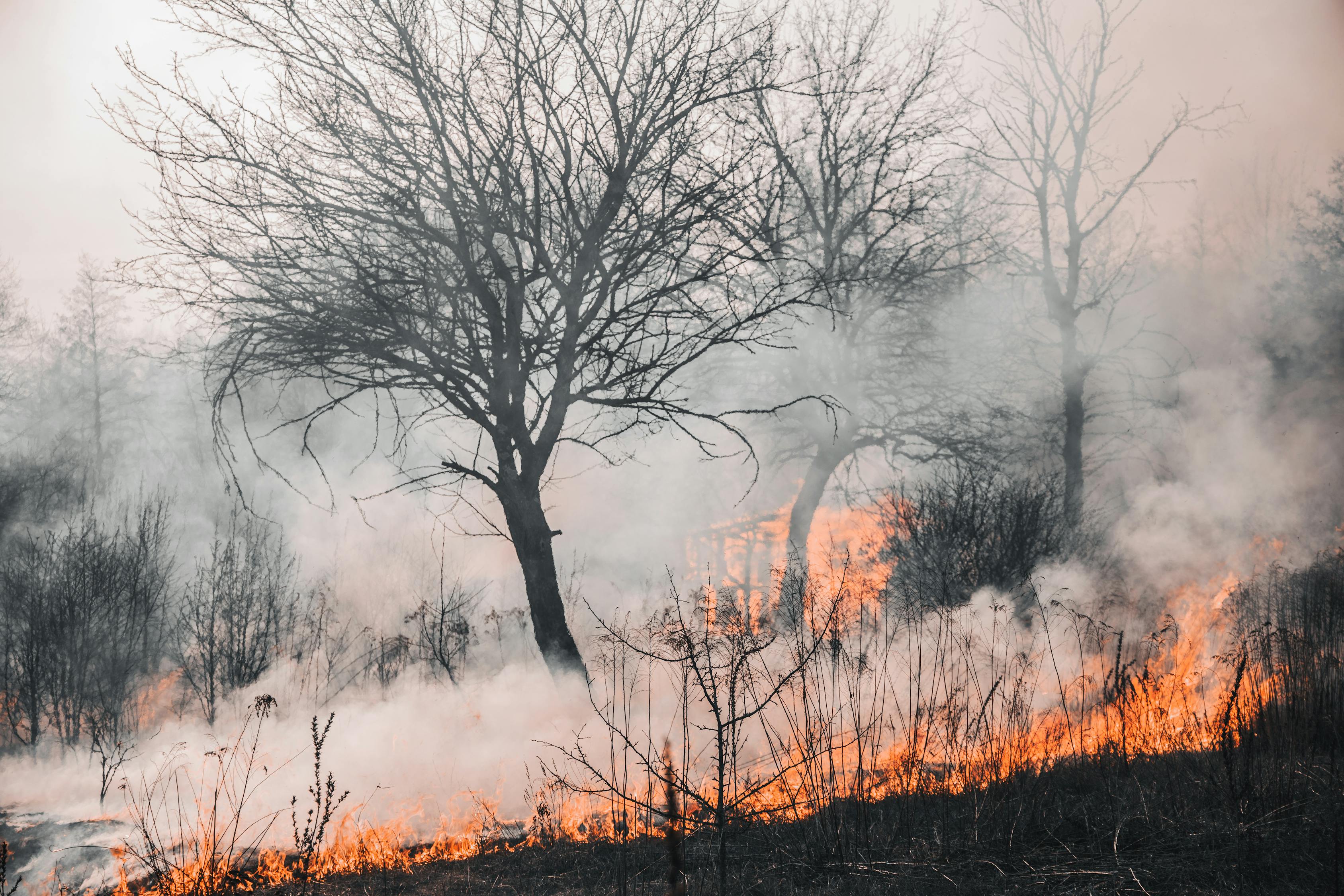
We are treating the agricultural industry the same way. Trees are falling to massive roaring fires left and right, and we still cut them down. We still raze even more. A recent published study shows that the planet has about 3.04 trillion trees. It seems like a lot, but 15.3 billion trees are chopped down every year. About 46% of the world’s trees in the last 12,000 years. Add the amount of trees on the acres burnt to the ground in ferocious wildfires and you have too many- and we depend on trees and plants too much to let the unthinkable happen. In 2019 alone, we lost about 11.9 million hectares of tree cover. 3.8 million hectares of that overall amount is from the loss of trees in humid rain forests. That was the equivalent of losing a football pitch of primary forest every six seconds for the whole year of 2019, and the wildfires have only worsened in 2020. About 7% of agricultural Australia is suffering from the problem of saline water following deforestation. It turns out, the soils have limited capacities to recover from deforestation, which only adds to the cost of land degradation, which is already about $1 billion per year. Around 13% of Australia’s original vegetation has been removed since European settlement. Invasive plants and species are multiplying, and once-plentiful natural resources are going scarce. Australia has also suffered from overgrazing, to the point where less than 2% of the original grasslands remain, and that promotes desertification as well as erosion, nothing good for the land. Intensive agriculture is affecting Australia’s coasts and oceans as well, particularly environments near the shore. Estimates say that each year, almost 19,00 tons of phosphorus and 141,00 tons of nitrogen are discharged per year and dumped in rivers flowing to the coasts. It’s been 15 years, which guarantees that the numbers will have increased. How will our natural resources still be resources if we only take all they have?
Natural disasters are dragging down resource after resource, yet we still continue to take and take from them, not giving anything at all, not even time to replenish their much-needed supplies after much loss. The wildfires aren’t going to stop anytime soon, so we have to. We have to give the resources that supplied us with plenty each year, some time to multiply and regrow. If we don’t, too many species of plants and animals will go extinct with no time to multiply after disasters hit. How far are we all willing to go in our pursuit of more? Are we willing to lose important food and livelihood sources?
 Students of the Sidewalk