
Has the environment been on the receiving end of the blow of the pandemic, or has it strengthened over this drastic year?
Covid-19 is a worldwide pandemic that has affected people all over the world. Over 1,540,000 people have died worldwide, and millions more are out of work and out of pay. Even more people are out on the front lines, putting their lives at risk to take care of others who might not be able to handle having the virus without medical attention. But have you ever thought about how the environment could be affected by this deadly virus?
Many people think that Covid-19 is a really good thing for the environment. That is not always the case. Deforestation levels have risen all across the world and there has been large increases of waste, especially medical waste like disinfectants, masks and gloves, to name a few. But it isn’t all so negative. Air pollution levels, including Greenhouse Gases, have dropped all across the world because of strict lockdowns, and pollution in the oceans and beaches on the coast has dropped. Now the question is: has Covid 19 positively or negatively affected the environment? That is the vital question that we can not answer.
The general main view on this vital issue is that the environment has been positively affected. In some cases, that is true. For example, air pollution has dropped all over the world, even in high pollution places like Russia and South Africa. According to the Australian Academy of Science, there was a huge drop in PM2.5, a pollutant related to various health impacts, in major cities across the world. The drop ranged from 9% to 60%, with the amount of pollutant being compared to the same period in 2019. Additionally, bbc.com/future says that “Compared with this time last year, levels of pollution in New York have reduced by nearly 50% because of measures to contain the virus.” A similar story has been played out across the world, including China, where “emissions fell 25% at the start of the year as people were instructed to stay at home.” But this is not the only way that the environment has been positively affected.

Another effect is that pollution in beaches has plummeted in a lot of places. This is because of beaches being closed in most places due to the pandemic. Many people don’t know, but beaches are a very important natural defence for places along the coast. One way beaches do this is by protecting the land from waves that could destroy buildings and crops because the sand basically smothers the wave, making it much smaller. Pollution damages the amount beaches can do to protect the coastline, and that is what is changing during Covid-19. According to frontiersin.org, “the complete closure of various industrial activities has almost halted the pollution from these sources.” This means that beaches are much cleaner because of the small amount of tourism and people in general because of Covid-19, meaning that the coastline is much safer because of the beaches being able to do their part. These two effects of Covid-19 on the environment have resulted in a cleaner, better world for everyone.
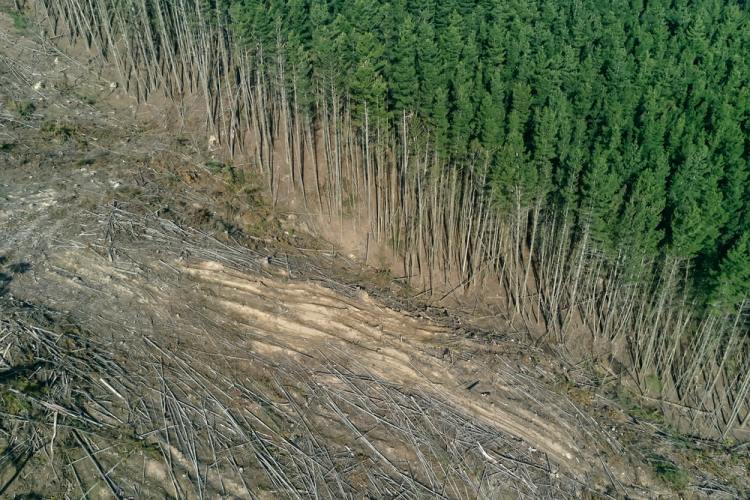
While many parts of Covid-19 have positively affected the environment, some, sadly, have not. The first example of this is deforestation, which is probably not the first thing people would have thought of. While countries have been focusing on dealing with Covid-19, levels of deforestation in many places around the world have risen, and large parts of the forests have been cut down. In the Amazon rainforest, 464 square miles of rainforest were razed. That is 55 percent more than the same time period in 2019. According to blogs.ci.columbia.edu, “Now as Brazil, hard hit by COVID-19, is focused on controlling the virus, illegal loggers and miners are taking advantage of the situation to cut down large swaths of the Amazon.” The Amazon was hit hard by this, but this has happened in other places around the world. Øyvind Eggen, from the Rainforest Foundation of Norway (RFN) said “Where government and NGO presence is reduced, it clears the way for illegal activity.” When countries had to deal with Covid-19, that opened the way for illegal loggers and miners, causing higher amounts of deforestation all across the world.
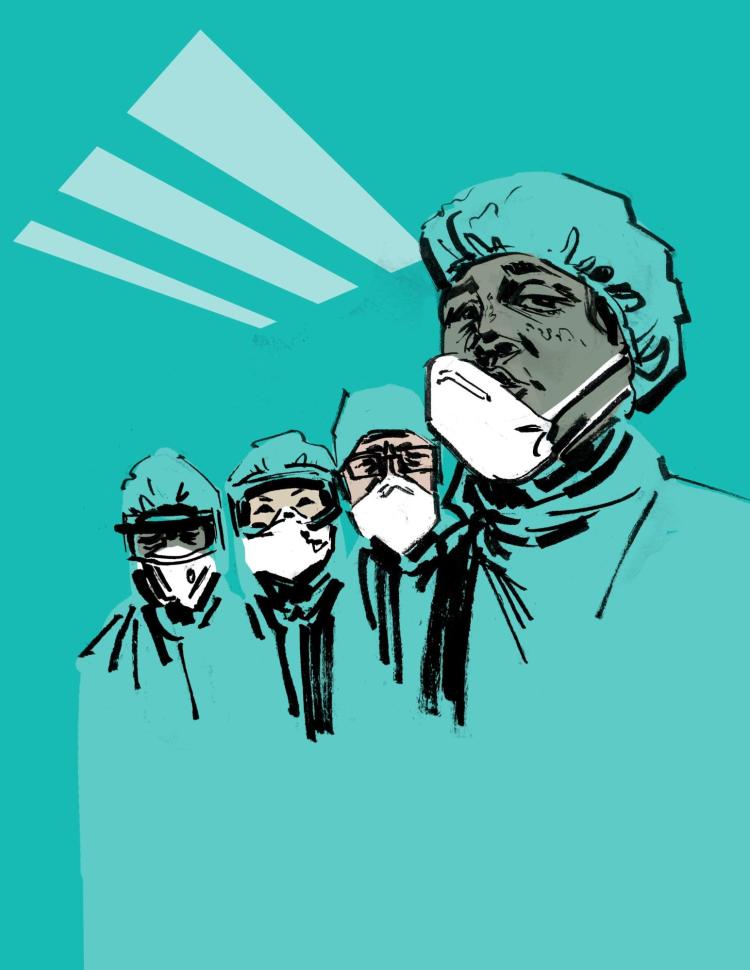
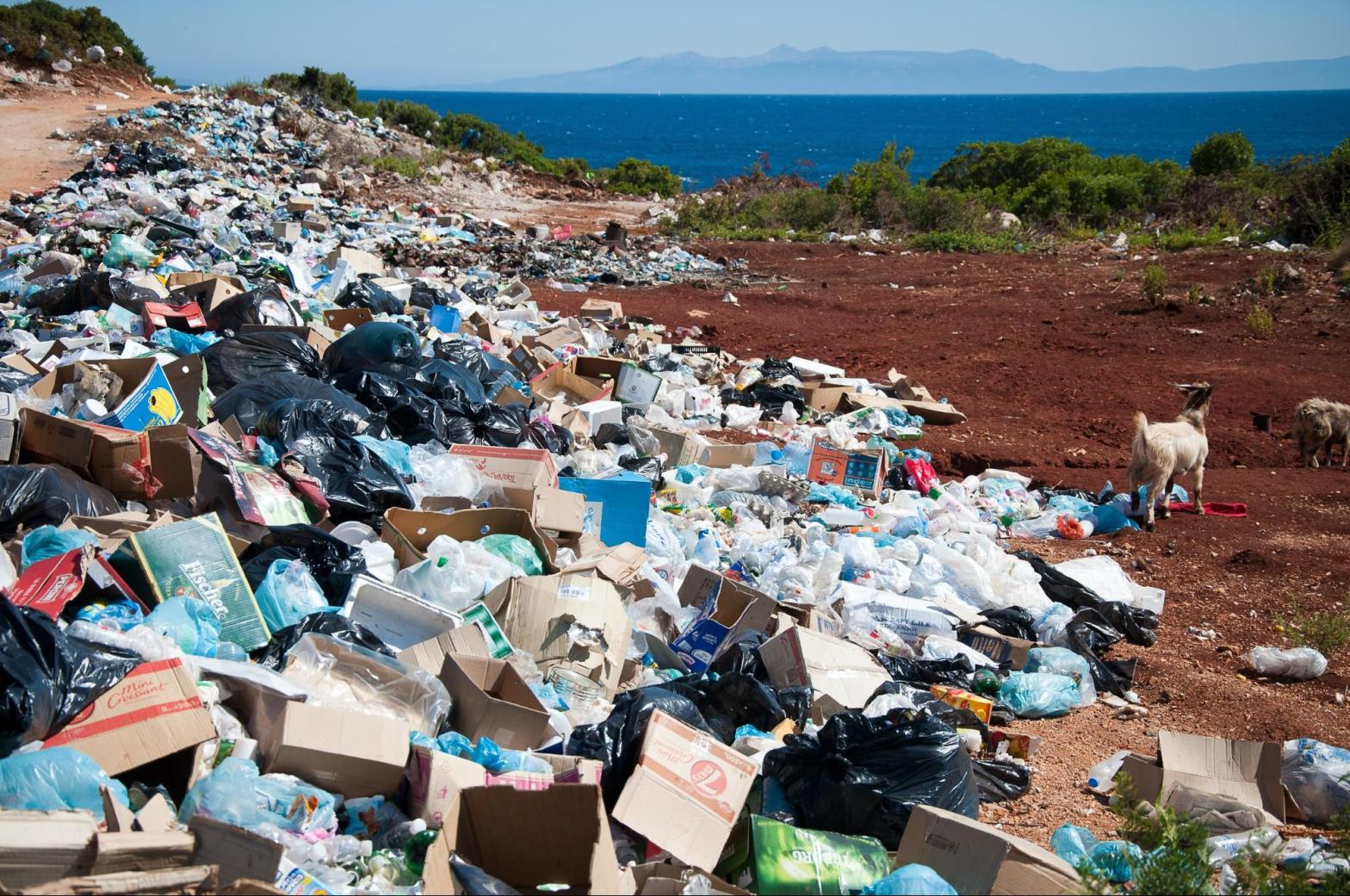
Another negative impact on the environment because of Covid-19 is increased amounts of waste. Hospitals have thrown away tons of PPE, like masks, disinfectants, body coverings and more. Additionally, people have used more throwaway waste during this period, which can also be quite bad for the environment. For example, according to science.sciencemag.org, “ Hospitals in Wuhan, the center of the COVID-19 outbreak, produced more than 240 tons of single-use plastic-based medical waste (such as disposable face masks, gloves, and gowns) per day at the peak of the pandemic, 6 times more than the daily average before the pandemic occurred.” A similar story played out in other places all over the world, especially in Covid-19 hotspots where even more single use equipment was required. This resulted in lots of waste ending up in the ocean, which can really harm the ecosystem and hurt loads of animals and even people. These two effects of this virus on the environment have really taken a toll, and we have to do everything we can to change it for the better.
To sum things up, Covid-19 has affected the environment in many different ways, and just some of them were talked about here. The end result could be positive or negative, but many different things have happened to the environment, and it is really important that we make sure our environment is clean and thriving, no matter what happens.
 Students of the Sidewalk